A trusted water damage restoration company is the most important call you’ll make after a flood, burst pipe, or storm damage hits your home. The right choice can save thousands in repairs.
When water hits your home – whether it’s a burst pipe, a flooded basement, or storm damage – the company you call matters almost as much as how fast you call them. Not every restoration company operates the same way, and the difference between a trusted provider and a rushed, unqualified one can mean thousands of dollars in repairs down the road.
This guide breaks down what makes a water damage restoration company trustworthy, what red flags to watch for, and highlights a few regional providers across the country known for reliable, certified service.
What Makes a Water Damage Restoration Company “Trustworthy”?
Anyone can put “water damage restoration” on a website. What separates a trusted water damage restoration company from a fly-by-night operator usually comes down to a handful of things that aren’t always obvious until you’re already in an emergency.
A trustworthy company will typically have:
- IICRC certification – this is the industry standard for drying protocols, moisture documentation, and contamination handling
- 24/7 emergency availability – water damage doesn’t wait for business hours, and neither should your restoration team
- Transparent documentation – daily moisture readings, drying logs, and photos for insurance purposes
- Local licensing and insurance – protects you if something goes wrong during the job
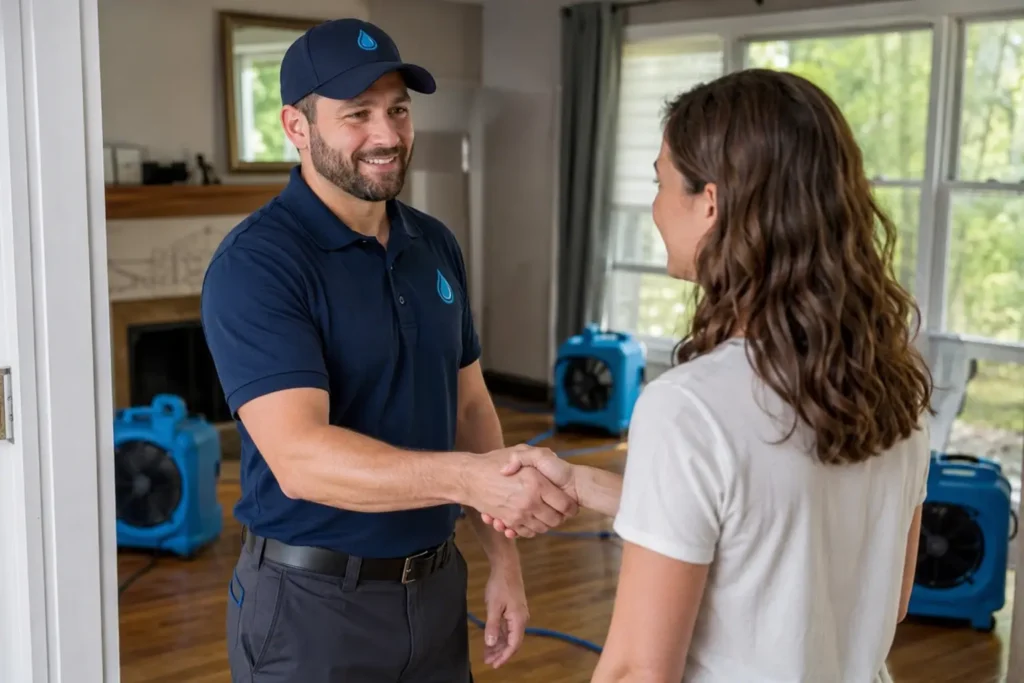
- Clear communication – a company that explains what’s happening and why, not just a crew that shows up and starts ripping out drywall
If a company can’t answer basic questions about their certification or won’t provide documentation, that’s usually a sign to keep looking.
Why Local Knowledge Still Matters
Even with national standards in place, water damage restoration looks different depending on where you live. A company that primarily handles Illinois winters – frozen pipes, ice dams, and spring basement flooding – understands moisture patterns specific to that climate. The same logic applies everywhere.
That’s part of why homeowner guides for water damage restoration exist in the first place, to help people understand what’s actually happening in their home before a crew arrives, and what questions to ask once they do.
A trusted company doesn’t just bring equipment. They bring an understanding of how your specific region’s weather, building materials, and common failure points affect the restoration process.
Spotlight: Trusted Water Damage Restoration Company Picks Across the US
Below is a quick look at restoration providers in different regions that are known for the standards outlined above – certified technicians, transparent processes, and fast response times.
Illinois – Midwest Climate Expertise
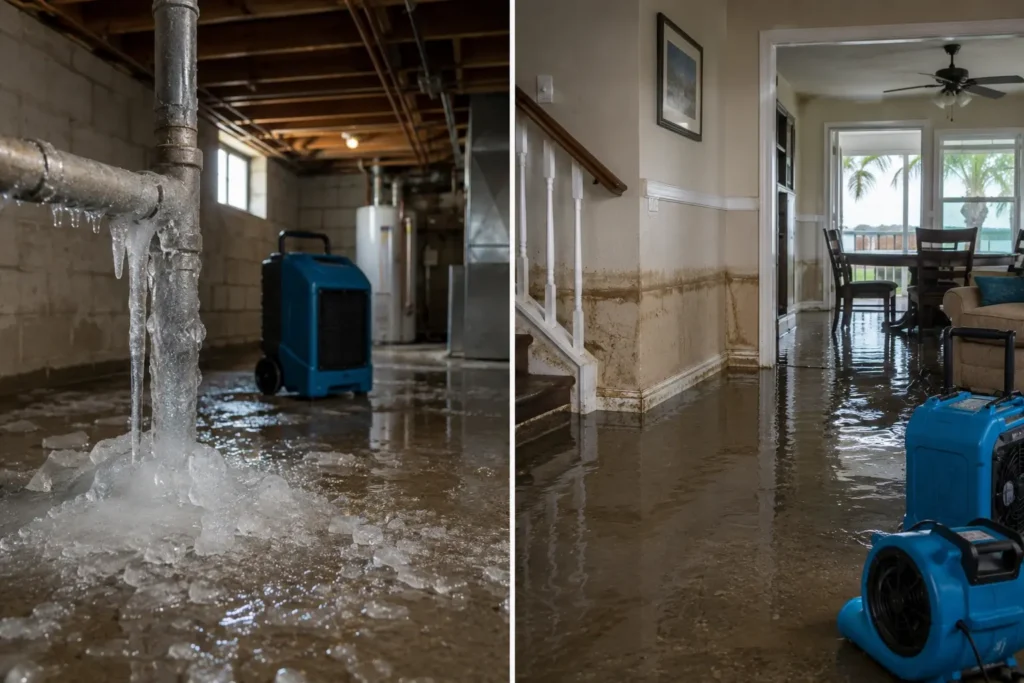
Illinois homeowners deal with a wide range of water damage scenarios throughout the year, from frozen pipe bursts in January to basement flooding after spring storms. Companies serving areas like Peoria, Rockford, and Springfield need to be ready for both extremes – often within the same season.
South Carolina – Coastal Flood Response
Coastal regions face a completely different set of challenges. Charleston water damage restoration involves dealing with tidal flooding, storm surge, and the kind of high-humidity conditions that accelerate mold growth if drying isn’t handled quickly and correctly. A trusted provider in this region understands how to work against the clock during hurricane season and how to manage contaminated floodwater safely.
What These Regions Have in Common
Despite the climate differences, the underlying standard is the same everywhere – fast response, proper documentation, and drying protocols that follow IICRC S500 guidelines. Whether it’s a frozen pipe in the Midwest or storm surge on the coast, the fundamentals of trustworthy restoration don’t change.
Red Flags to Watch For When Choosing a Restoration Company
Not every company that shows up after a storm has your best interests in mind. A few warning signs worth paying attention to:
- Door-to-door solicitation right after a storm – legitimate companies rarely operate this way
- Pressure to sign documents immediately before any inspection or estimate trusted water damage restoration company will never pressure you into signing documents before an inspection
- No mention of moisture testing – if a company says your home is “dry” without using meters, be cautious
- Vague pricing – reputable companies provide itemized estimates, not rough guesses
- No local address or licensing information available on their website
Taking even ten extra minutes to verify a company’s credentials before agreeing to work can save a significant amount of stress later.
Working with a trusted water damage restoration company means following a clear, documented process from start to finish.
How to Start the Process
If you’re dealing with active water damage right now, here’s the general order of operations most trusted companies follow:
- Initial call and triage – describing the situation so the team can prepare the right equipment
- On-site inspection – identifying the water source, category, and affected materials
- Extraction and drying setup – placing dehumidifiers, air movers, and moisture monitors
- Daily monitoring – tracking drying progress with documented readings
- Final clearance – confirming materials have reached safe moisture levels before reconstruction begins
This process looks roughly the same whether you’re in the Midwest or along the coast – what changes is the timeline and the specific risks involved at each step.
The Takeaway
Finding a trusted water damage restoration company comes down to a few consistent markers – certification, documentation, communication, and local experience with your region’s specific risks. Whether you’re dealing with a frozen pipe in Illinois or coastal flooding in South Carolina, the same core principles apply: act fast, verify credentials, and choose a team that treats documentation as seriously as the cleanup itself.
Taking the time to research before an emergency happens, rather than during one – puts you in a much stronger position when water damage strikes. If you’re in Illinois and dealing with water damage right now, call (312) 815-4144 for a fast, professional response.
Leave a Reply